
What does it take to ensure that resources meant for healthcare translate into better services for communities?
The answer goes beyond funding. It requires stronger systems, accountable leadership, and the capacity to manage resources effectively where healthcare is delivered.
In Kaduna State, this understanding is driving a shift from identifying financial management gaps to building practical, sustainable solutions within Primary Healthcare (PHC) facilities.
Through its collaboration with the Kaduna State Primary Health Care Board (SPHCB), the Health Strategy and Delivery Foundation (HSDF) is supporting efforts to strengthen public financial management, improve revenue accountability, and promote more transparent and efficient use of healthcare resources.
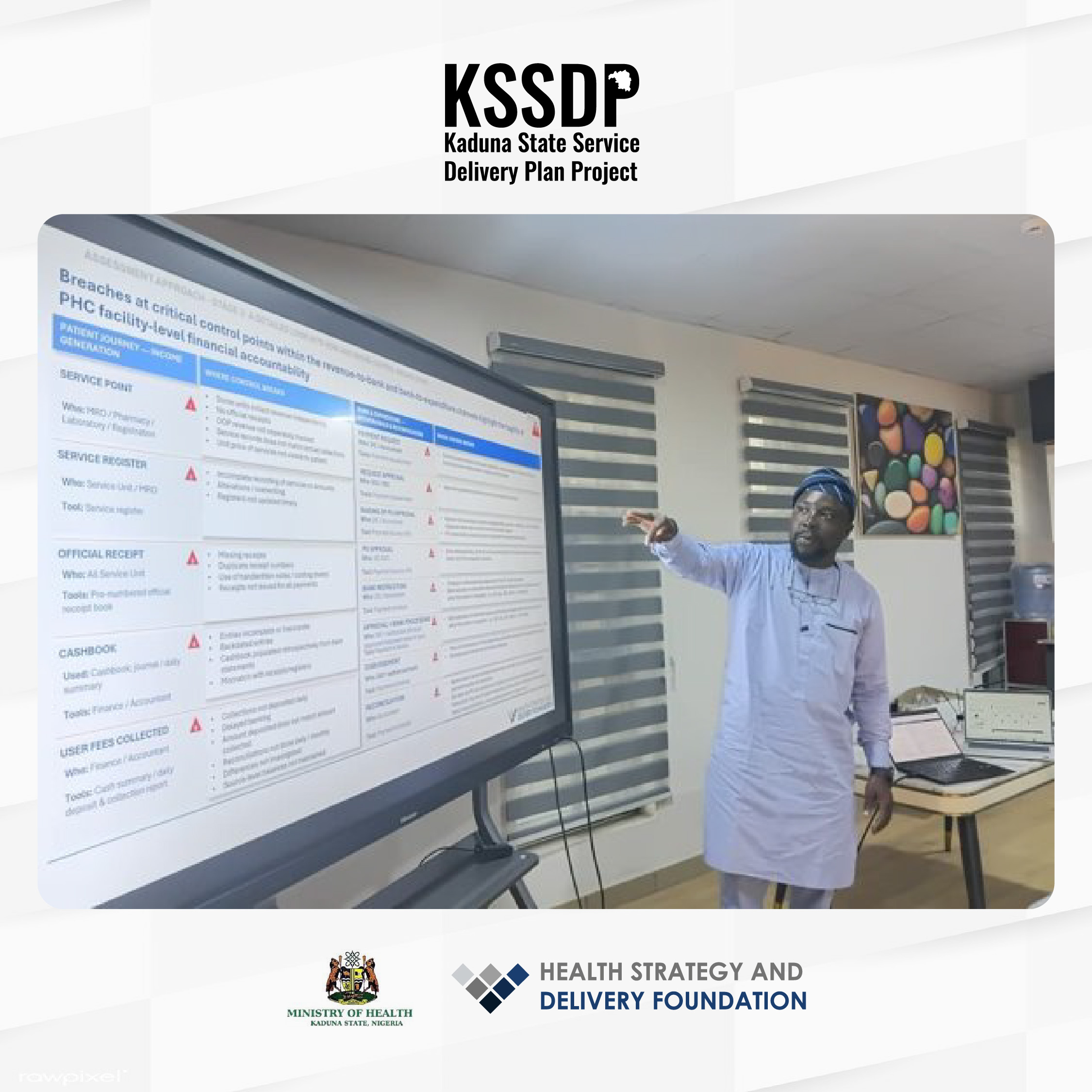
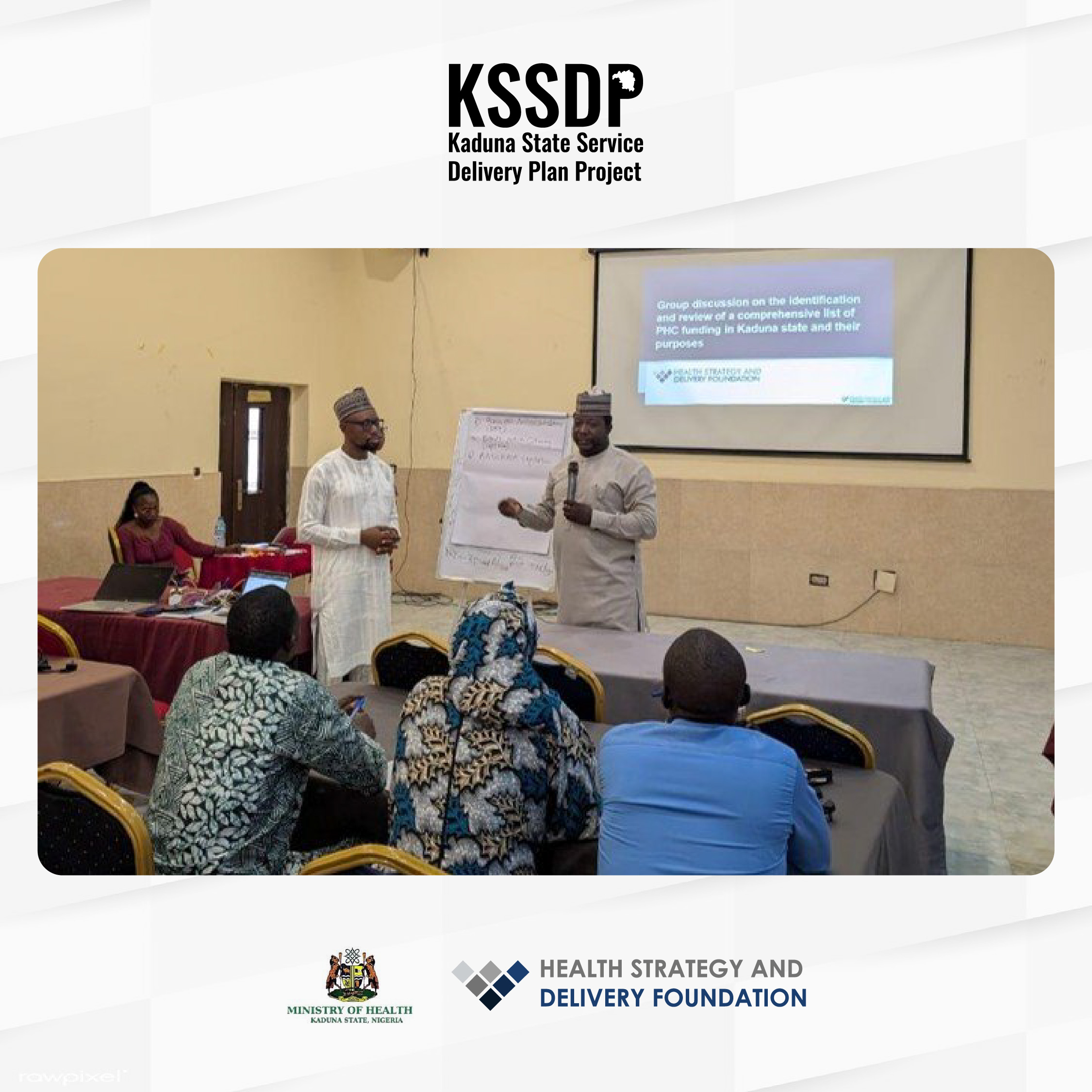
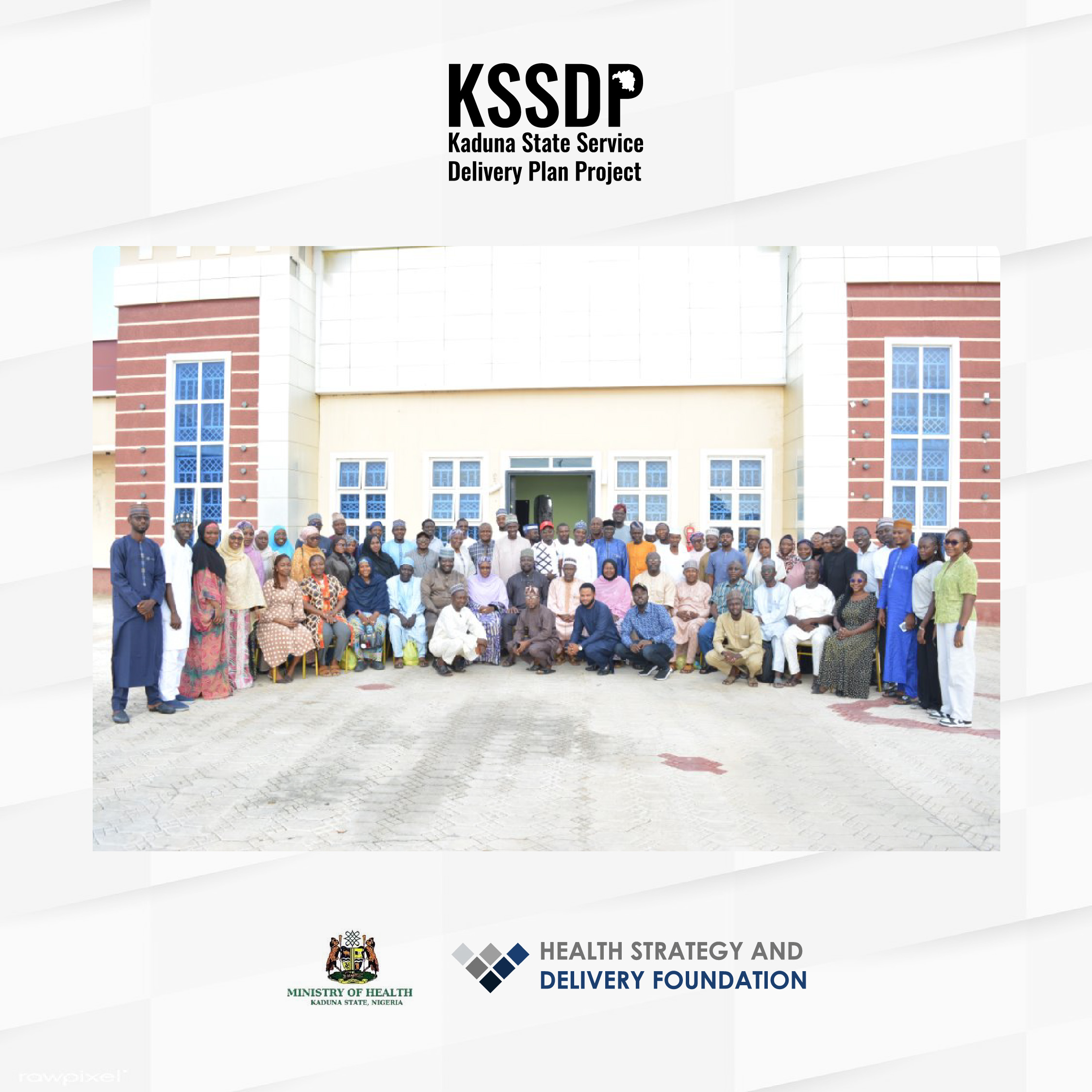
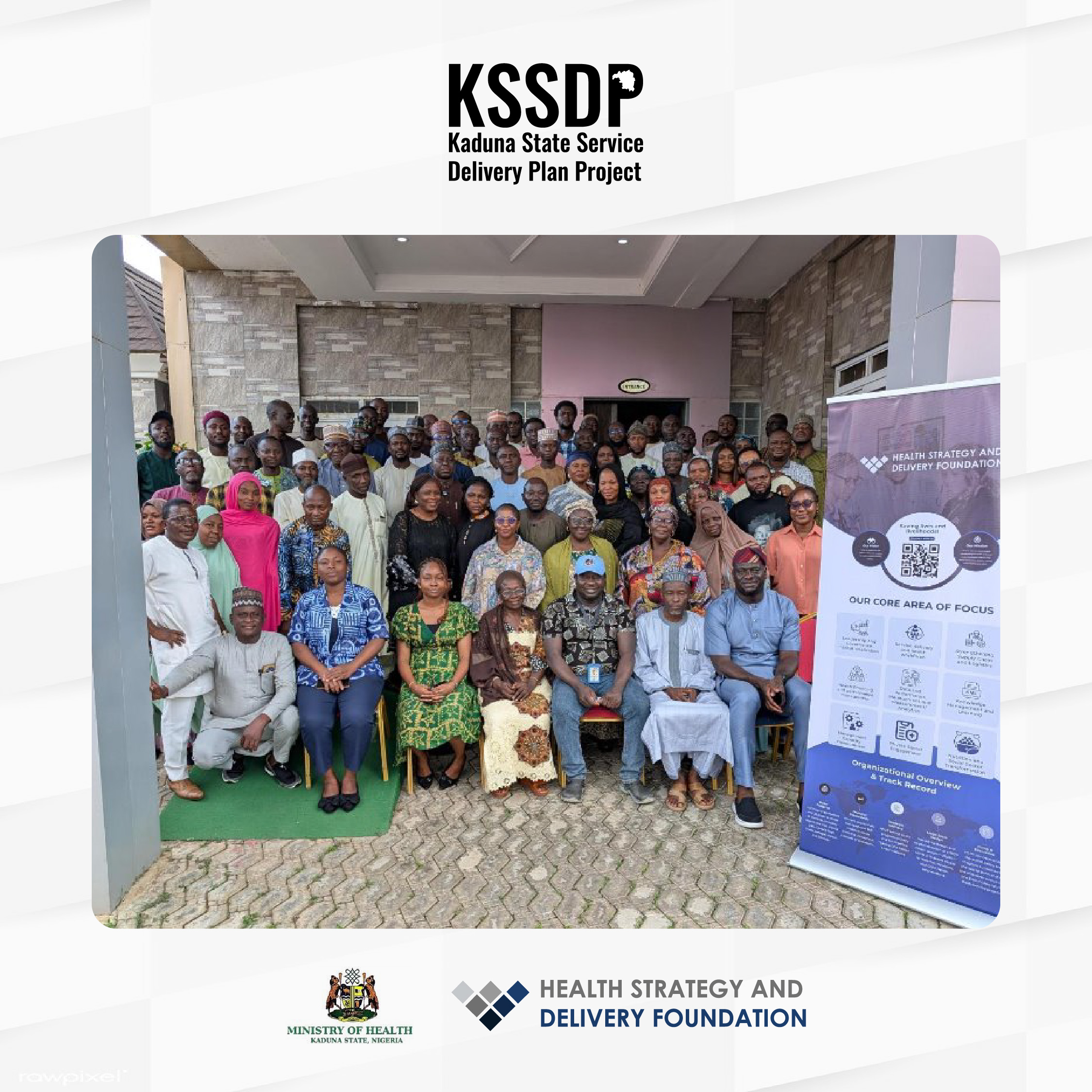
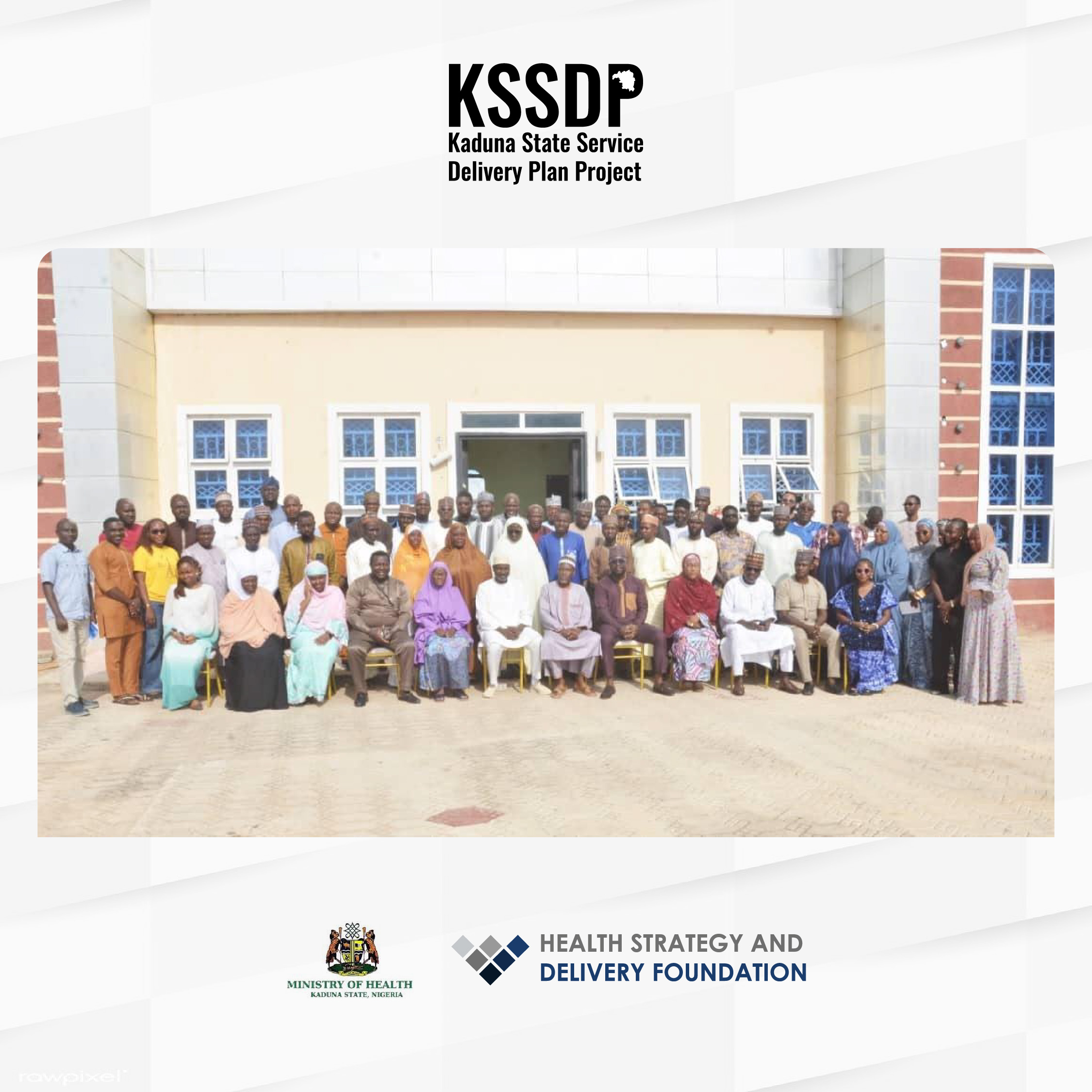
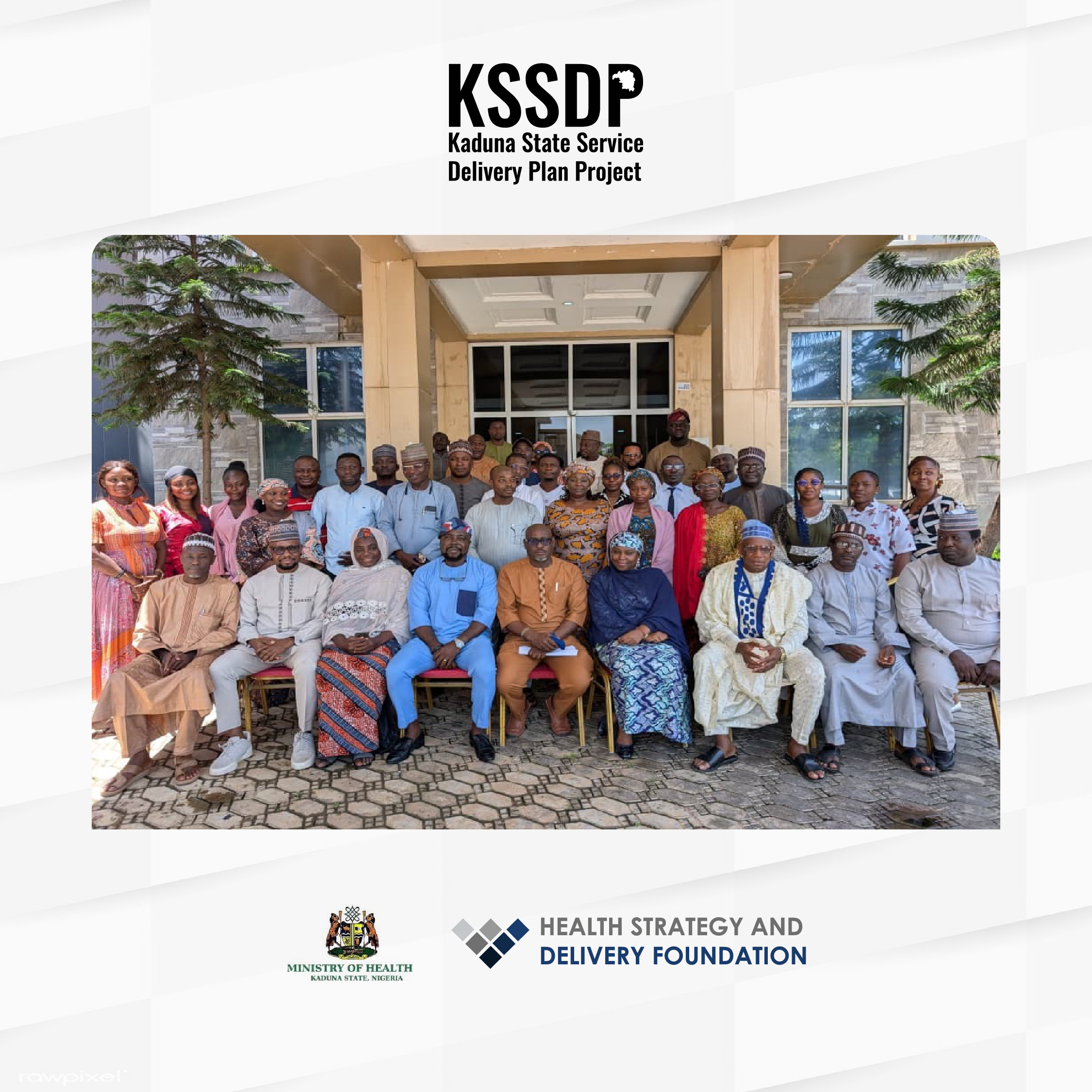
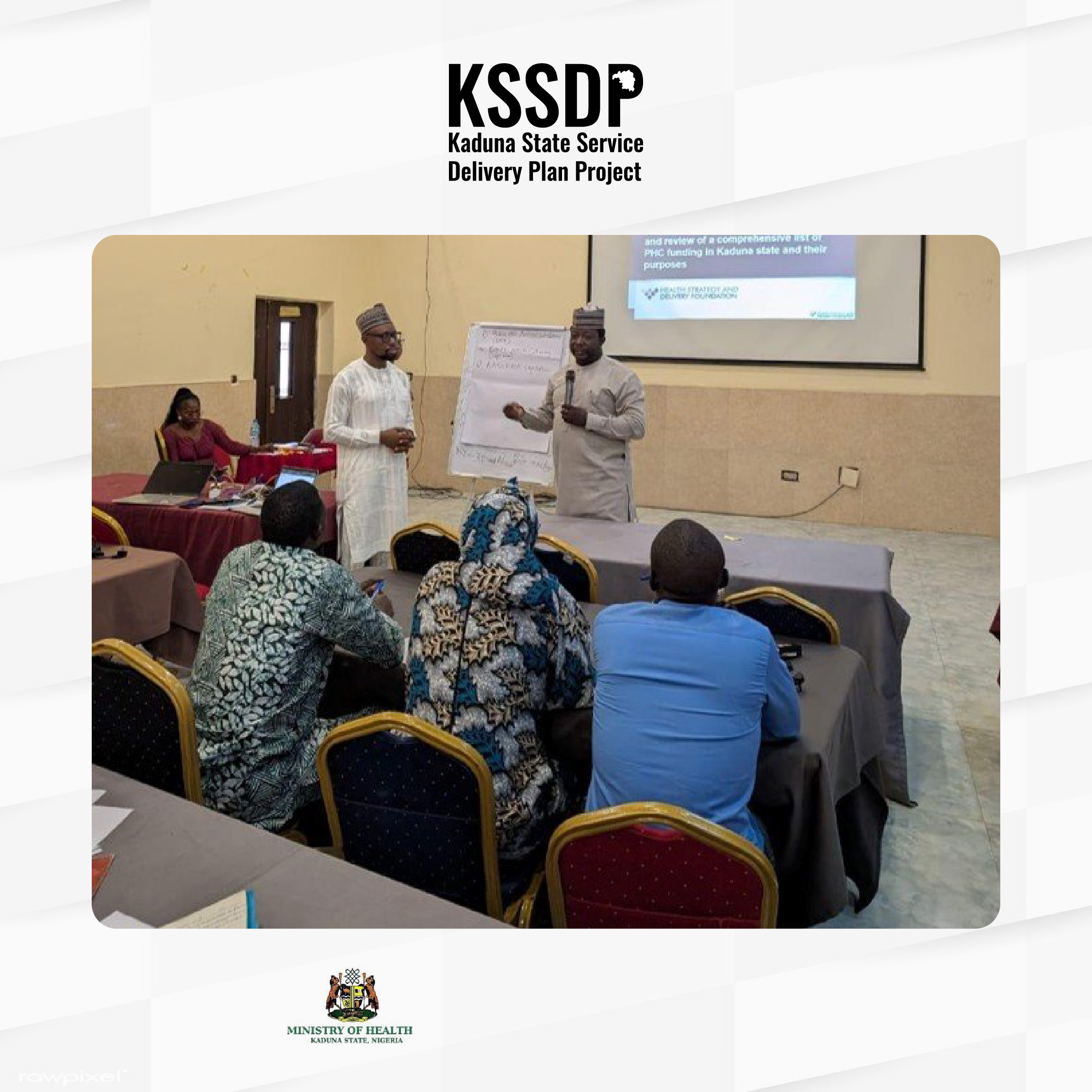
The journey began with evidence. Facility assessments and expenditure tracking revealed critical gaps in financial documentation, revenue management, internal controls, and reporting. These findings informed targeted capacity-building interventions across the state’s 23 PHC Centres of Excellence, bringing together facility managers, accountants, local government health officials, and other frontline stakeholders.
The early results have been encouraging. Assessments conducted before and after the training demonstrated improved knowledge across all participating zones and professional groups, particularly among those with the greatest initial capacity gaps. However, the focus has remained on ensuring that these improvements translate into sustained institutional practices rather than short-term learning gains.
Building on this progress, HSDF presented a set of practical, evidence-informed recommendations to the Executive Secretary of the SPHCB, which received strong leadership support and acceptance for adoption. These recommendations include formalising the roles of facility accountants through clearly defined terms of reference covering competencies, responsibilities, reporting timelines and accountability; standardising and publicly displaying service charges across the Centres of Excellence to promote transparency, protect clients from arbitrary charges and safeguard services designated as free; and institutionalising quarterly financial review meetings to strengthen reconciliation, identify discrepancies, address financial variances and ensure timely corrective action.
This commitment is already translating into concrete action. Following HSDF’s advocacy for the provision of standardised Public Financial Management (PFM) tools across PHC facilities, the SPHCB supported their availability and facilitated their distribution to all 23 Centres of Excellence. This represents an important step towards equipping facility teams with the practical resources needed to strengthen financial documentation, improve recordkeeping, support consistent reporting and embed accountability in routine financial management practices.
An equally important dimension of this progress has been protecting the human capacity needed to sustain these reforms. Recognising that frequent personnel transfers could disrupt institutional learning and undermine investments in capacity building, HSDF advocated for continuity among trained Officers in Charge (OICs). This engagement contributed to the retention of trained facility leadership across the Centres of Excellence during a wider redeployment exercise, helping preserve institutional knowledge, maintain accountability and sustain momentum towards implementation. The Executive Secretary’s endorsement of these recommendations, alongside the SPHCB’s support for the distribution of PFM tools, reflects an important shift from identifying systemic weaknesses to strengthening institutional ownership and translating practical solutions into action. It also reinforces the importance of aligning leadership decisions, workforce stability and financial governance in advancing sustainable healthcare reform.
With the distribution of PFM tools marking an important early implementation milestone, and a longer-term ambition to extend these improvements throughout Kaduna State’s PHC network, the next priority is ensuring that these resources and commitments translate into routine institutional practice through structured mentorship, financial monitoring, consistent application of standardised tools and continuous performance review.
For HSDF, this reflects a broader commitment to health systems strengthening: ensuring that improvements in financial management are not isolated interventions, but become embedded in the institutions, processes and people responsible for delivering healthcare. Because sustainable health systems transformation happens when evidence informs decisions, leadership takes ownership, institutional capacity is preserved, and accountability becomes part of everyday practice.
Ultimately, stronger financial systems mean more than better records and controls. They create the foundation for more transparent resource management, greater public trust and more reliable healthcare services for the communities that depend on them.
#PrimaryHealthcare #HealthSystemsStrengthening #PublicFinancialManagement #KadunaState #HealthcareAccountability #HSDF