Chronic kidney disease (CKD) is on the rise in Nigeria, fueled by hypertension, diabetes, and lifestyle-related risks. Weak protocols, poor coordination, and limited early detection systems have made effective management difficult, leaving many patients vulnerable.
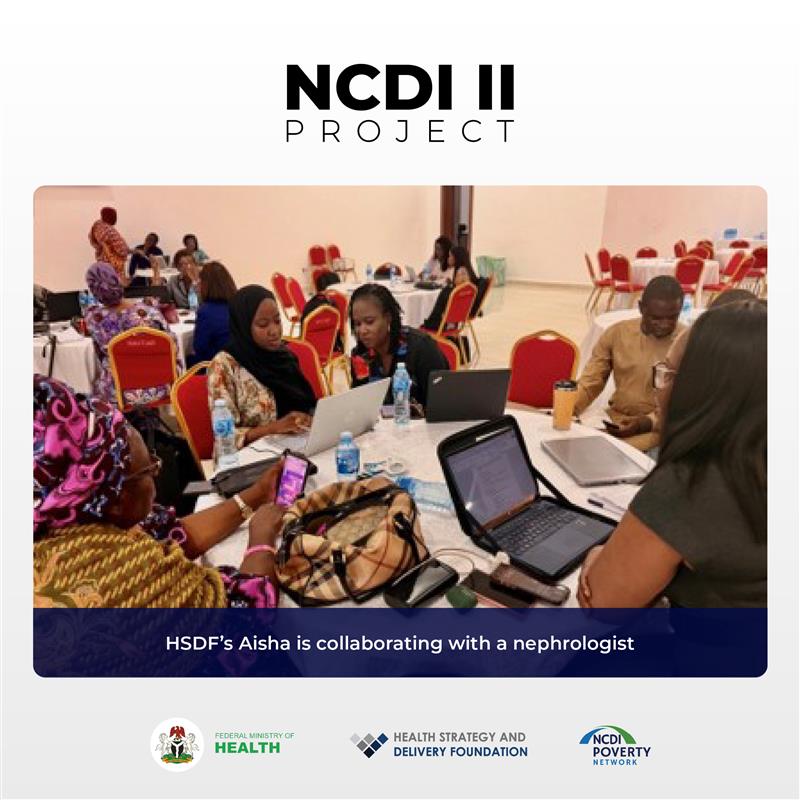
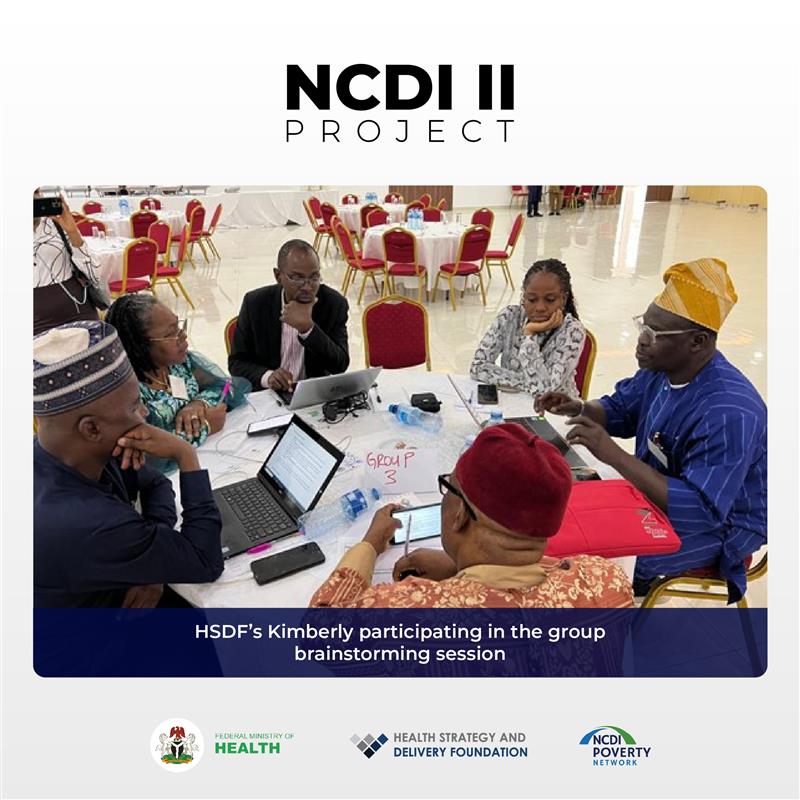
At a recent workshop in Abuja, organized by the Federal Ministry of Health and Social Welfare Nigeria, PSI, and partners, stakeholders came together to review and refine a national training protocol for CKD. The discussions ranged from risk factors and screening guidelines to care pathways across primary, secondary, and tertiary levels. While technical in focus, the conversations never lost sight of the human impact because behind every protocol is a patient whose life could be transformed.
HSDF delivered a presentation emphasizing the importance of collaboration in tackling CKD. Led by Kimberly Idoko, our team also actively shaped discussions by reviewing draft chapters on screening, case management, monitoring frameworks, and follow-up plans, bringing practical, frontline perspectives to enrich the protocol.
By the end of the workshop, the draft protocol had been significantly strengthened. CKD care was expanded beyond primary health centers to cover secondary and tertiary levels, with new recommendations for routine pediatric screening, standardized referral pathways, and structured follow-up systems, offering healthcare workers clearer, more consistent guidance in managing CKD across Nigeria.