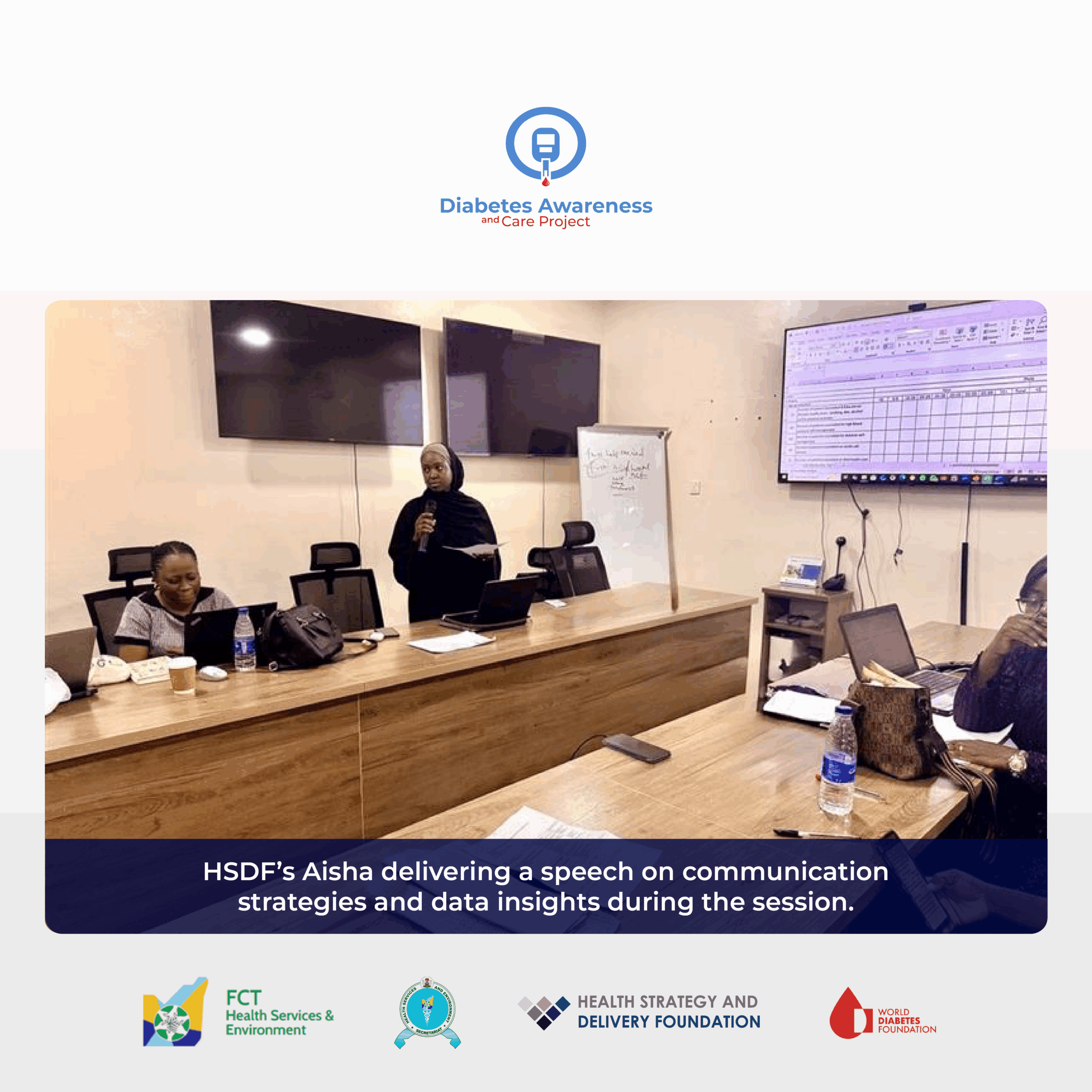
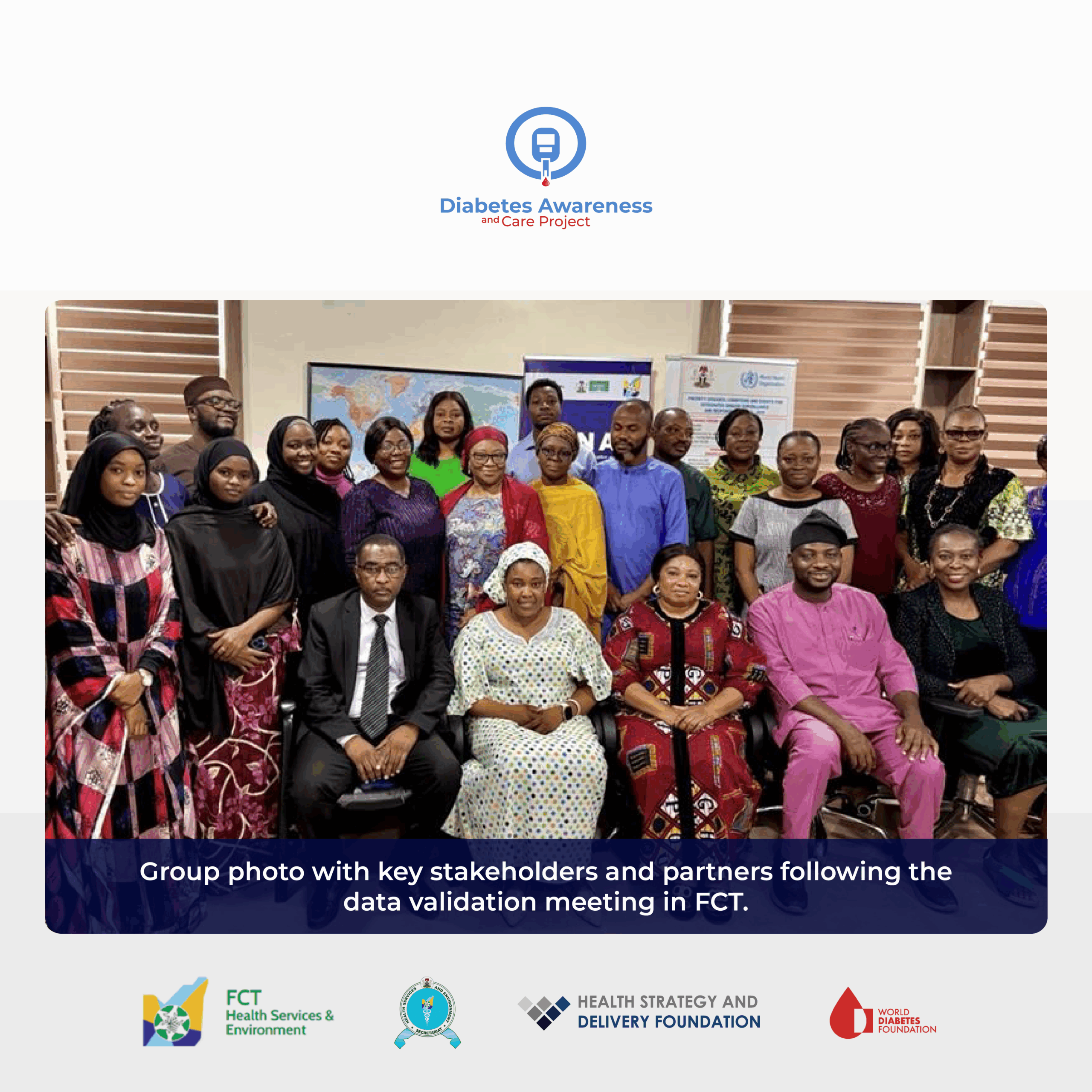
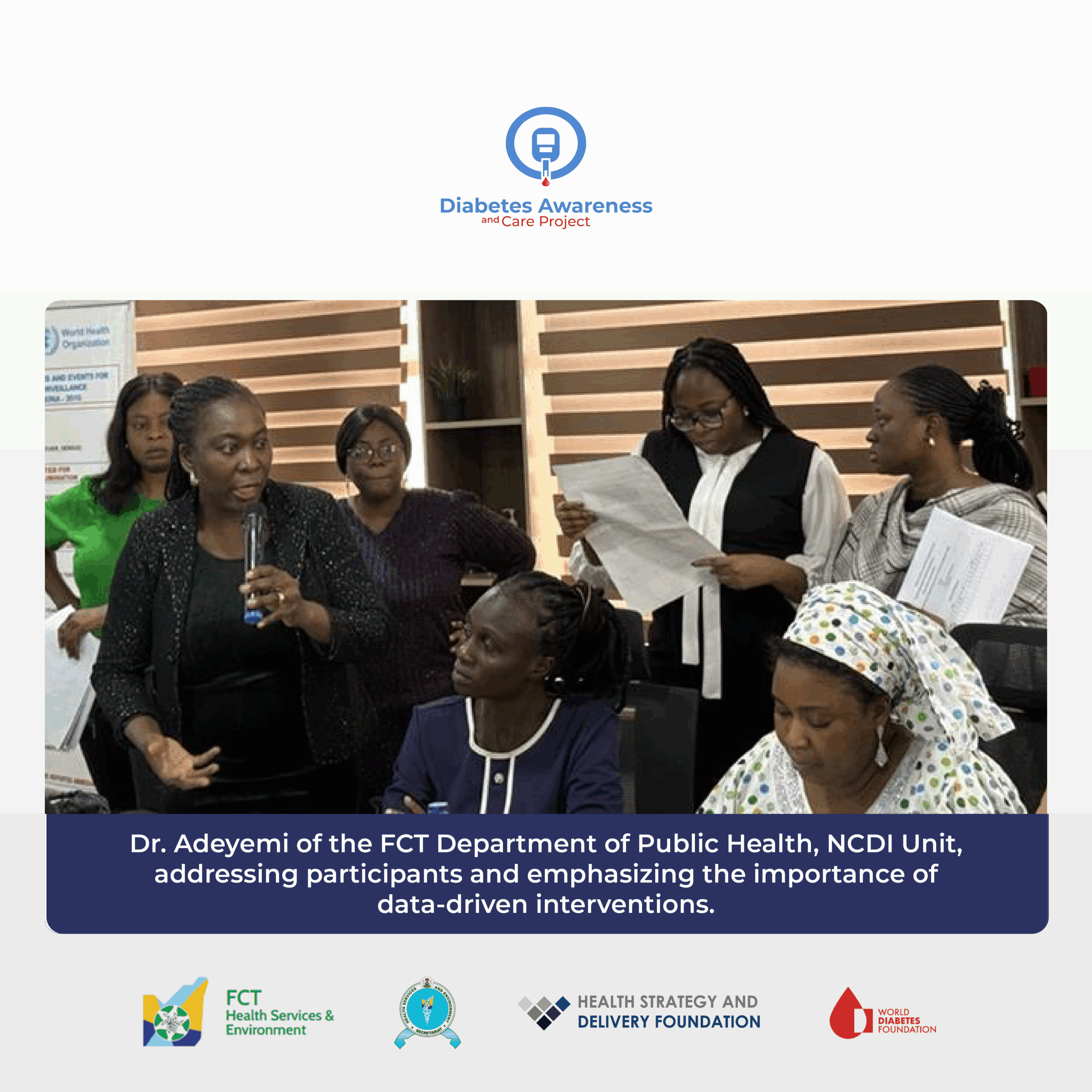
A harmonized data collection system is a critical first step in ensuring data quality and enabling evidence-based decision-making. In the non-communicable disease (NCD) space, the Department of Public Health, Health and Human Services Secretariat is taking bold step to shift from the long-standing challenge of weak data capture and reporting to a more proactive and unified approach.
Health Strategy and Delivery Foundation presented its NCD data collection tools and dictionary, contributing to a broader push to align previously fragmented reporting systems. During breakout sessions, participants collaborated to review and refine the proposed harmonized tool, challenging assumptions and offering practical, real-time feedback.
The session concluded with clear next steps: piloting the revised tool and training frontline health workers.