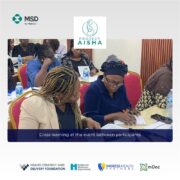
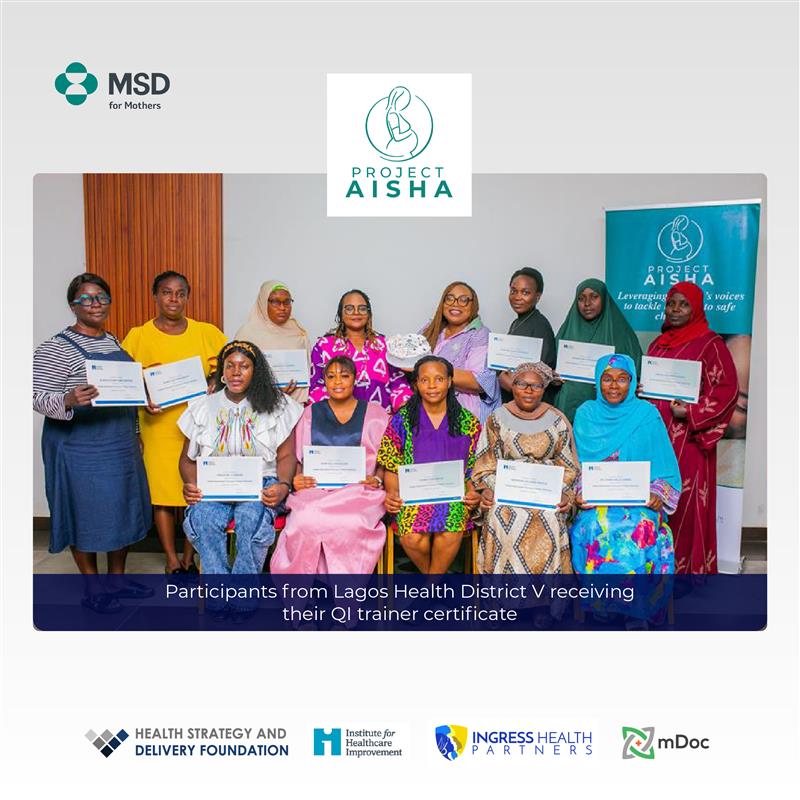
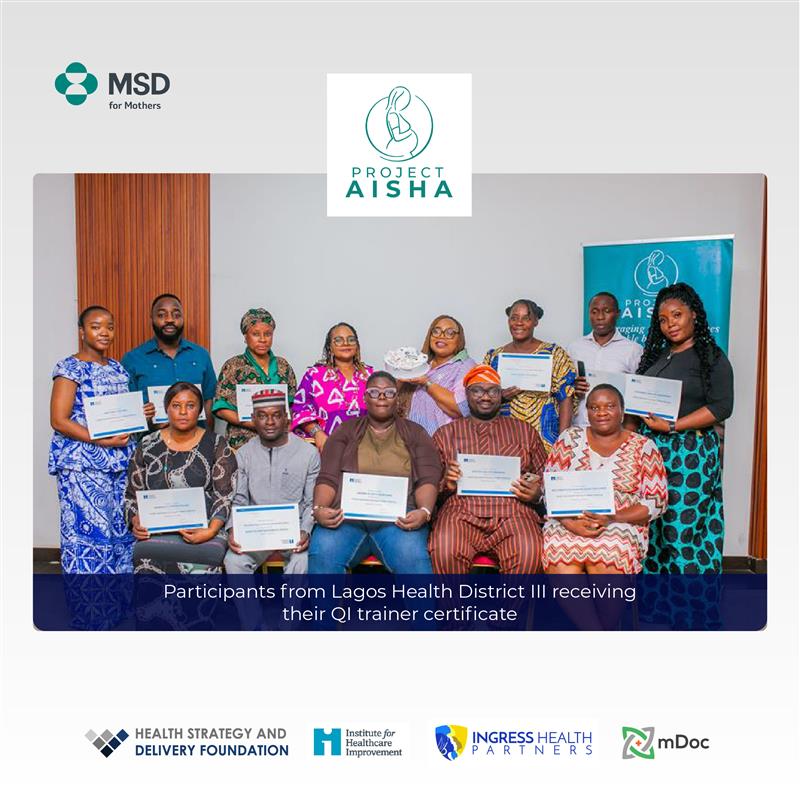
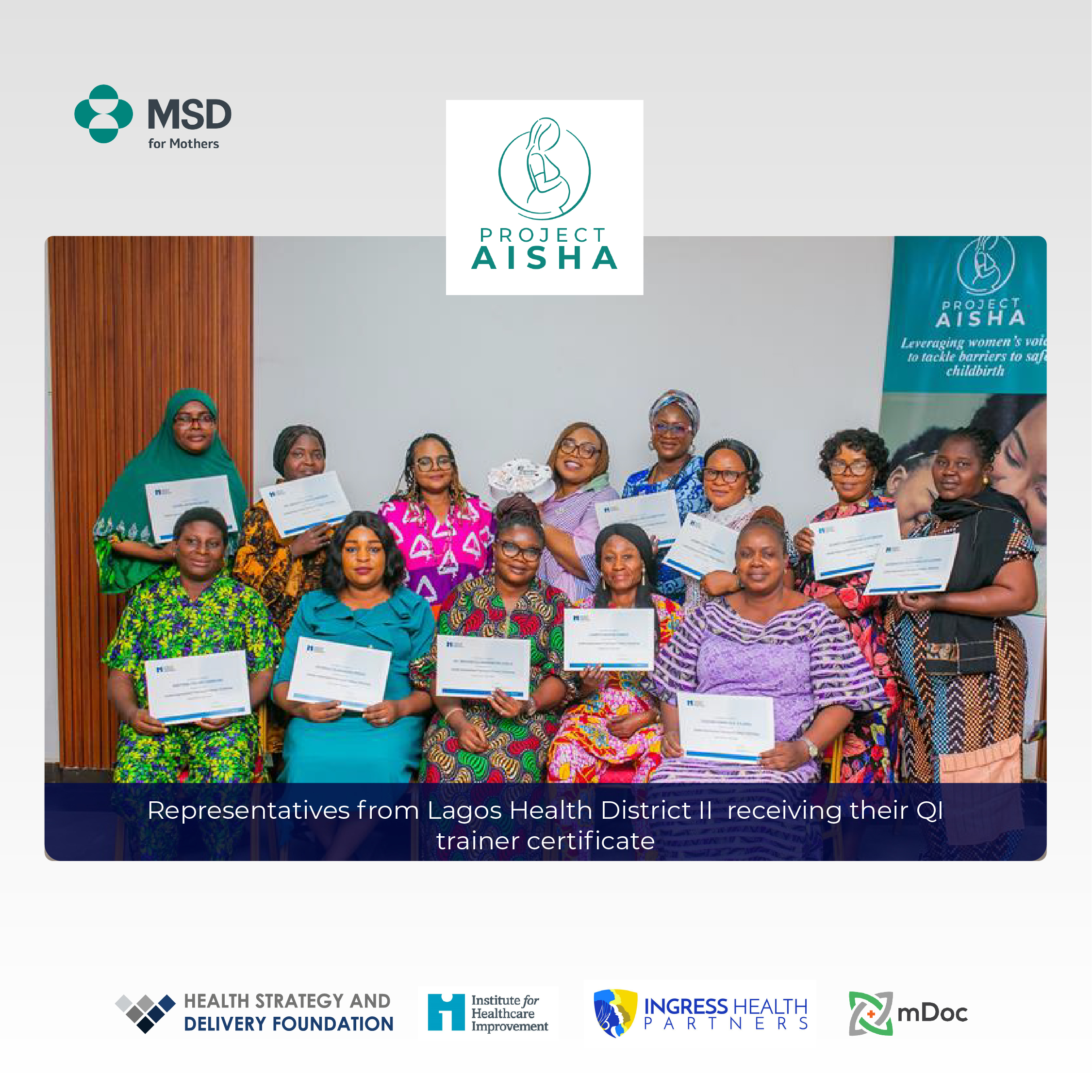
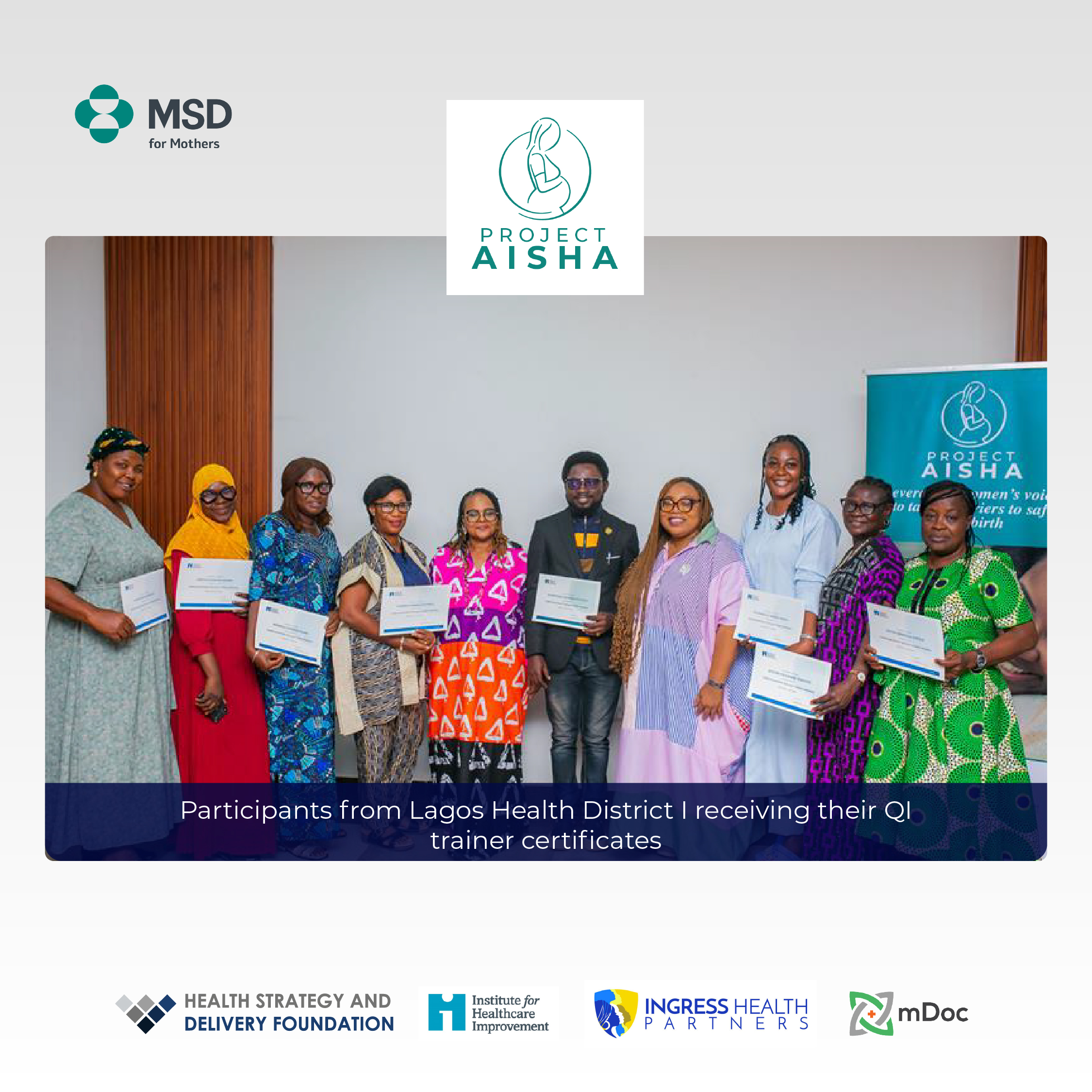
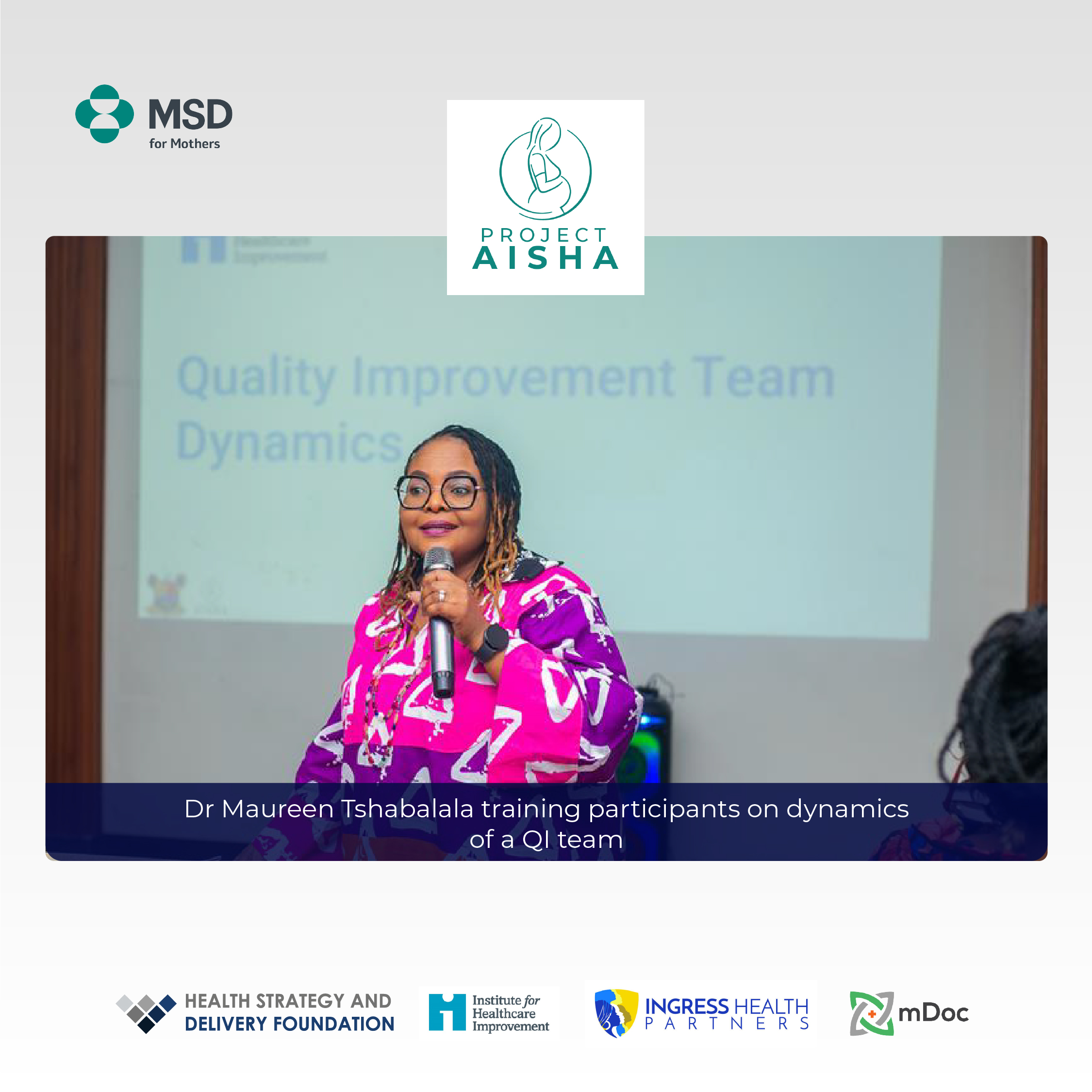
As the 5-day Quality Improvement (QI) Training of Trainers (TOT) workshop comes to a close in Lagos State, the energy and commitment among participants are clear. There’s a shared goal: to turn new knowledge into real, lasting improvements in how primary healthcare is delivered, especially for mothers and children.
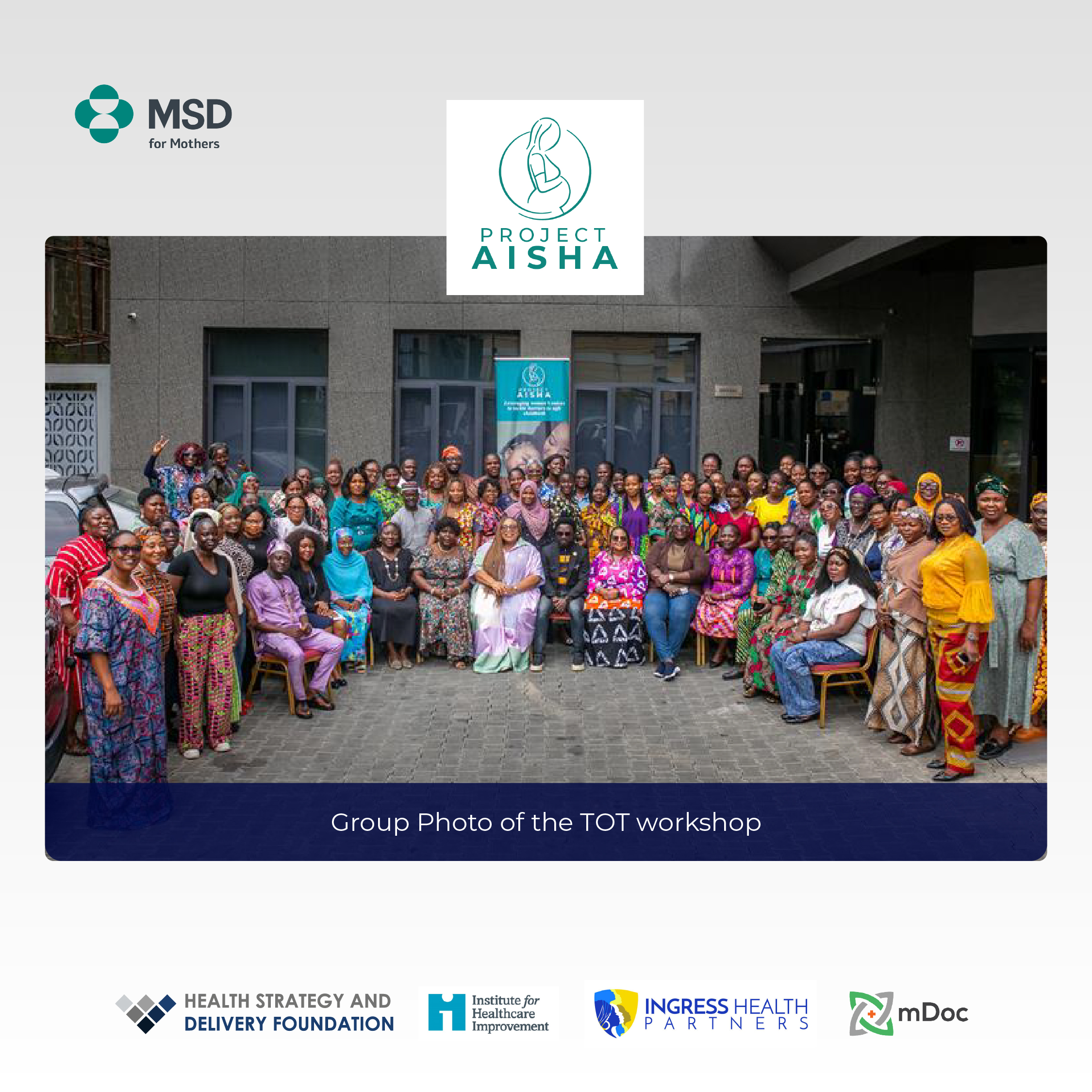
The workshop brought together 77 dedicated participants, including health directors from all six Lagos State health districts, representatives from the Ministry of Health and the Primary Health Care Board (PHCB), PHC managers, and frontline healthcare workers. Over five intensive days, they immersed themselves in practical learning aimed at strengthening their ability to lead and implement quality improvement initiatives at the facility level.
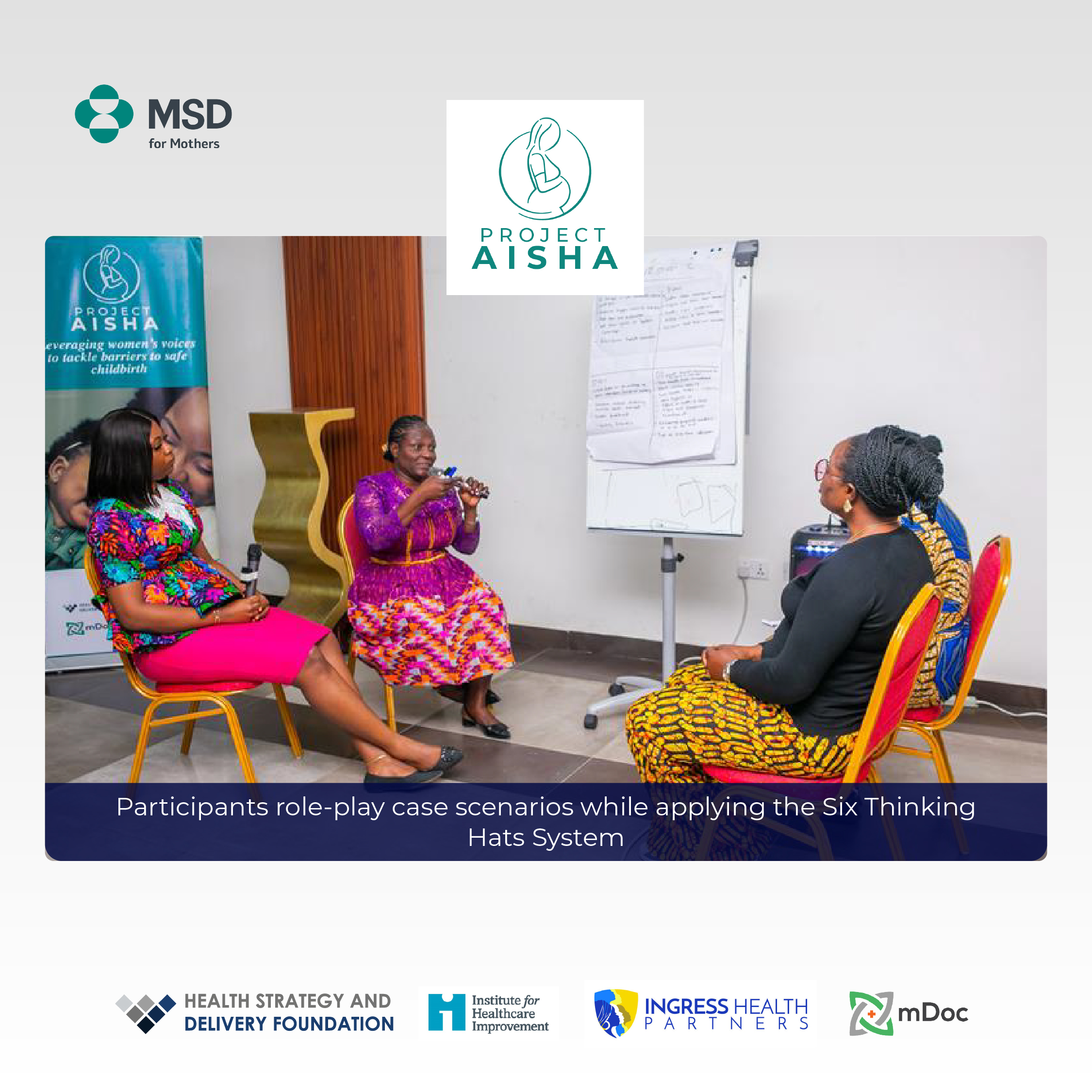
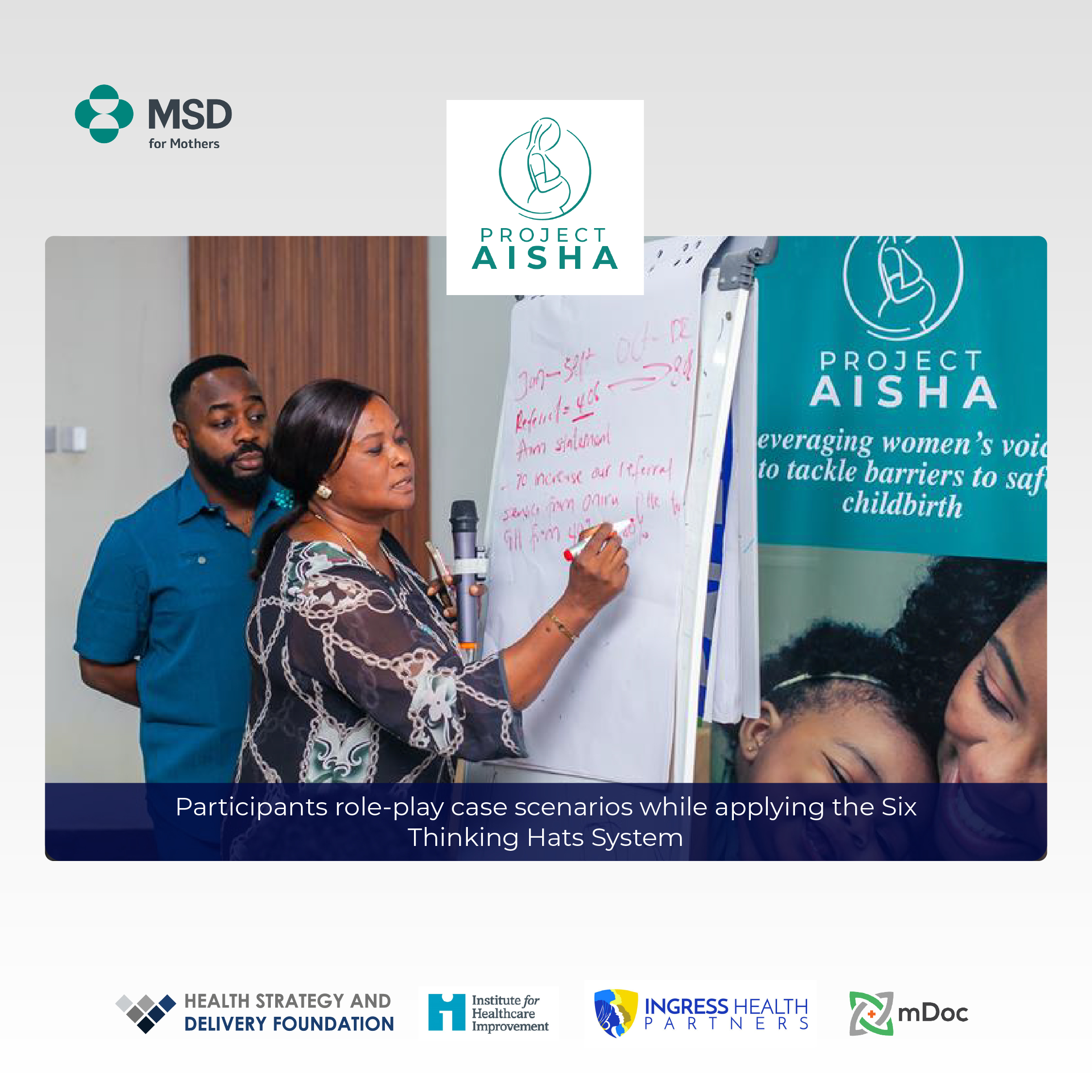
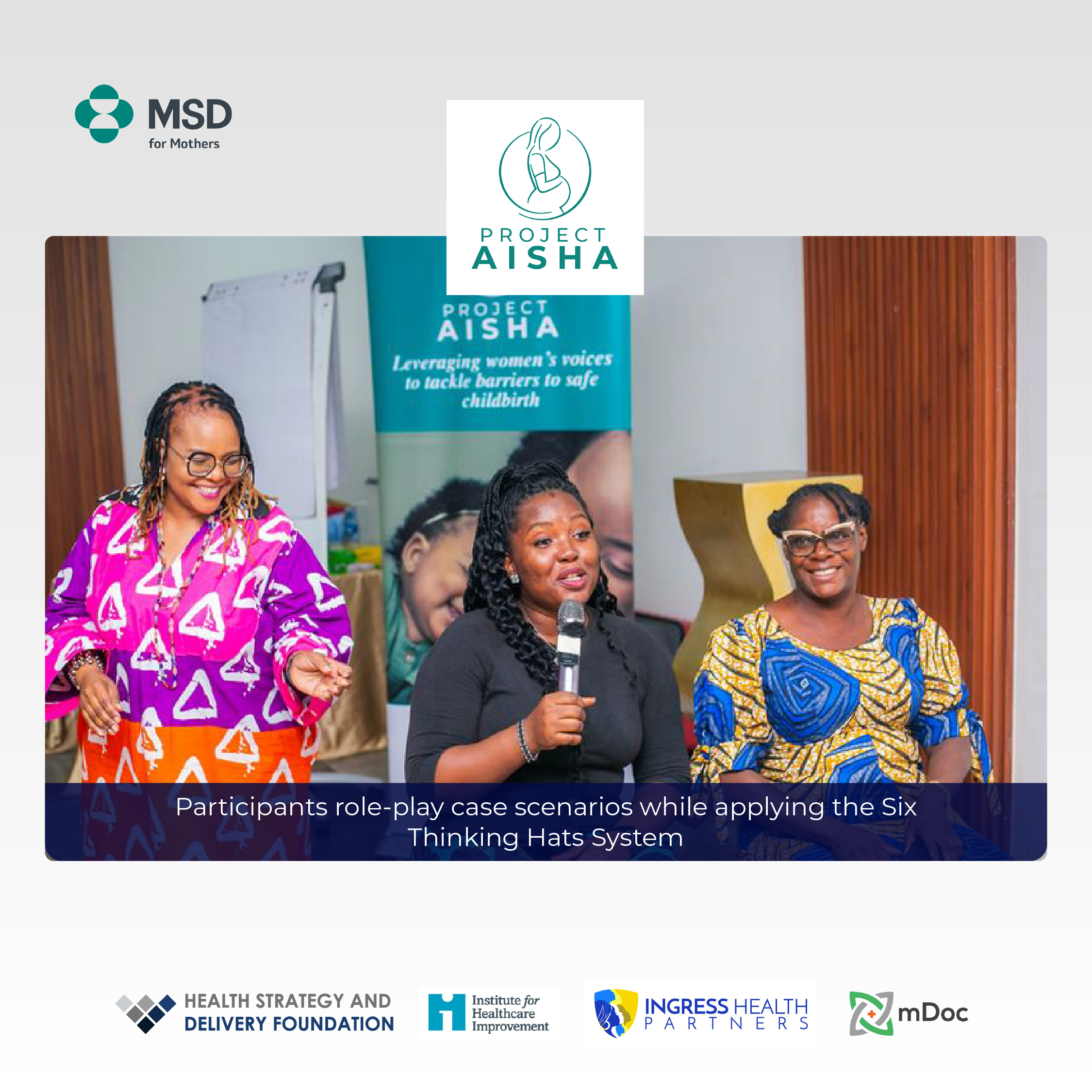
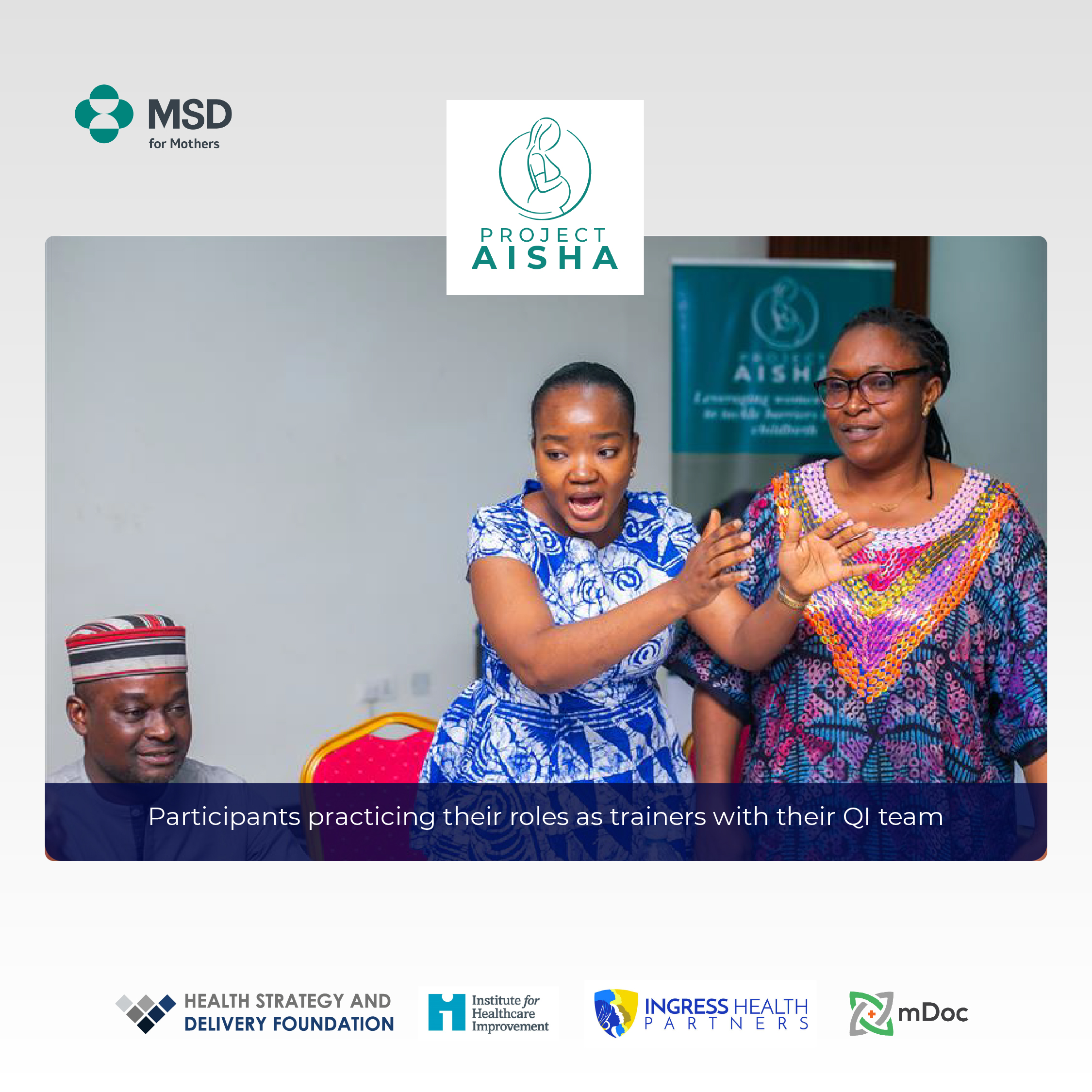
In the final three days of the workshop, the focus deepened. Participants learned how to think laterally and creatively to solve everyday challenges in their facilities. They explored how to use Measurement for Improvement tools to make data-driven decisions, tested strategies to link evidence with measurable outcomes, and sharpened their coaching and facilitation skills through role plays and peer learning.
One of the most powerful outcomes was the clear shift in capacity. At the start of the workshop, just 48% of participants had prior exposure to QI concepts. By the end, an impressive 95% demonstrated proficiency—evidence of how hands-on, targeted training can build real-world skills that make a difference.
But the impact won’t stop here.
Over the next nine months, these newly trained QI mentors will pass on their knowledge to 140 frontline health workers across 70 primary healthcare centers in Lagos State. This ripple effect is exactly what Project Aisha is working toward: building a strong, sustainable QI system that supports better maternal care and strengthens the entire primary healthcare structure.
#ProjectAisha #QualityImprovement #MaternalHealth #HealthSystems #CapacityBuilding #Nigeria